
Performance & Technology
Freeze-thaw Resistance
Proven structural stability under real-world cold-climate conditions
The Challenge
Why freeze-thaw cycles destroy traditional roads
Freeze-thaw cycles are one of the primary causes of premature deterioration of traditional road infrastructure. Water infiltration into the structure, followed by expansion during freezing, leads to cracking, rutting, loss of bearing capacity, and repeated interventions.
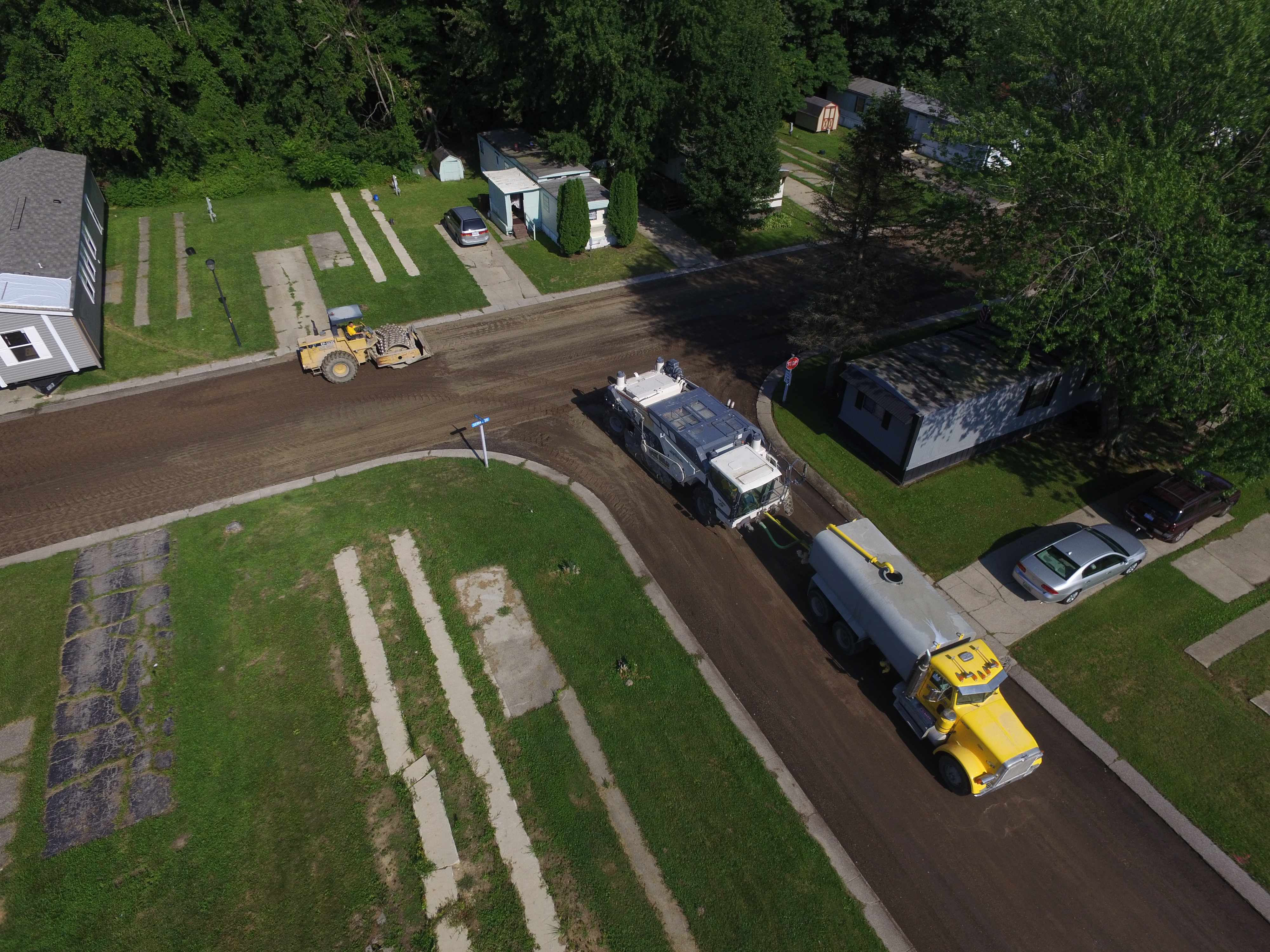
LL-TECH technology was developed to address this structural issue. By transforming in-place materials into a dense, cohesive structure with very low permeability, it limits water migration within the pavement and sustainably stabilizes bearing capacity — even under saturated conditions and repeated thermal cycles.
No freeze-related structural degradation observed at evaluated sites after several full winters of operation.
Laboratory Validation
ASTM & AASHTO certified performance
Hamburg Wheel Tracking
20,000 wheel passes under full immersion with limited deformation — confirming exceptional resistance to rutting.
No Cracking Under Cycles
Specimens withstood thousands of repeated load passes with no cracking — mechanical stability fully maintained.
ASTM / AASHTO Certified
All testing performed in accordance with ASTM and AASHTO standards by independent accredited laboratories.
Field Performance
Stability observed across multiple winters
The performance of LL-TECH has been observed at numerous sites exposed to recurrent winters, annual freeze-thaw cycles, and prolonged moisture in North America and Europe. Unlike traditional asphalt, no freeze-related structural degradation has been observed after several complete winters of operation.
Documented Case Studies
Real-world results in cold climates
Local road on silty-clay soil. −7 °C to +29 °C. ~960 days freeze exposure. Result: no cracking, no repairs.
Heavy industrial access on saturated clay. −6 °C to +28 °C. ~1,080 days freeze exposure. Bearing capacity maintained.
Port access on saturated sandy/clay soils. −7 °C to +28 °C. ~1,170 days. Stability maintained under saturation.
Heavy trucking platform on heavy clay. −17 °C to +28 °C. ~1,280 days. Resistance maintained under repeated freeze cycles.
Urban road on moist clayey silt. −6 °C to +28 °C. ~960 days. Structure intact after multiple freeze-thaw cycles.
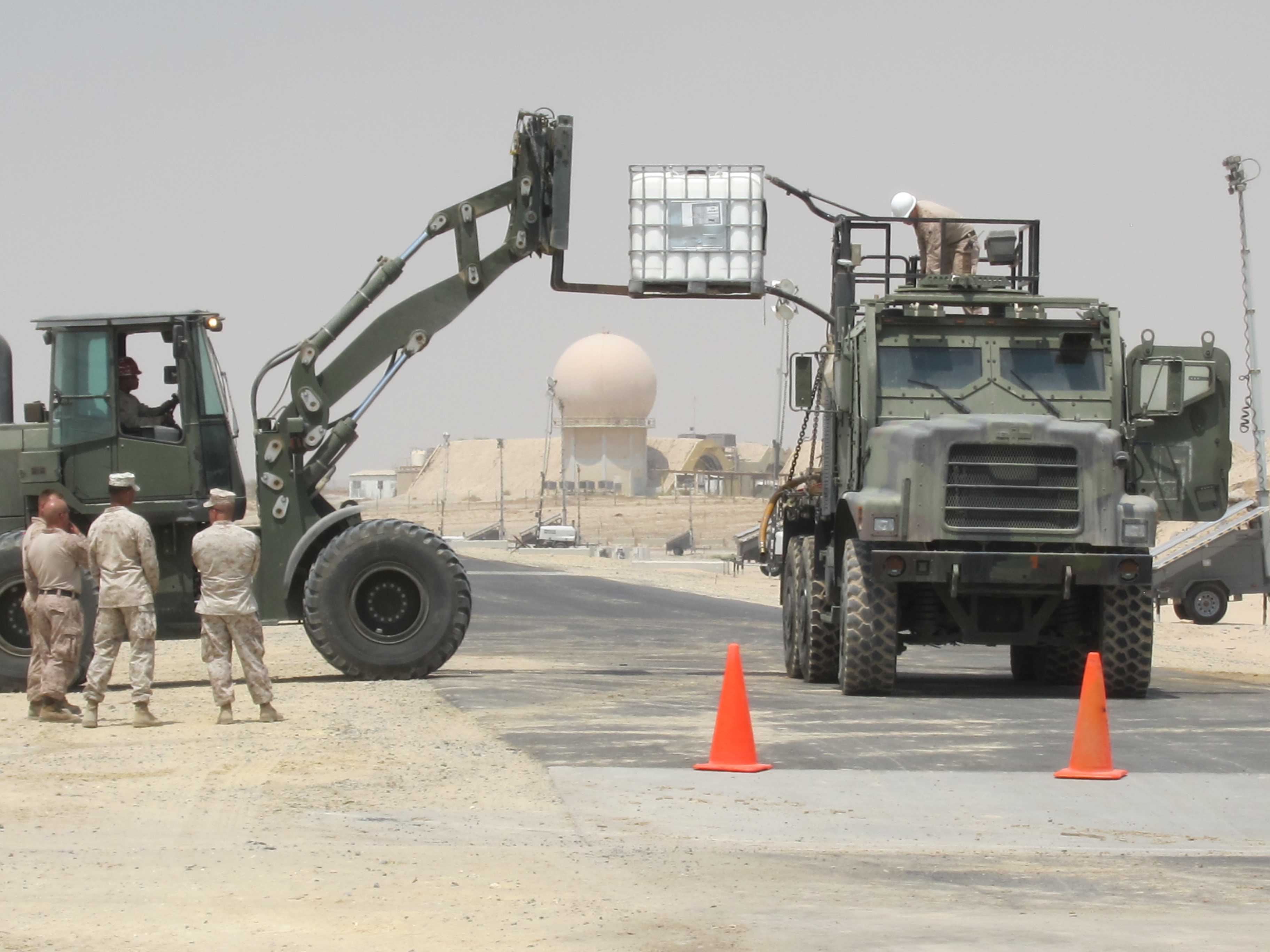
Military air platform at 6,000–12,000 ft elevation. −29 °C to +32 °C. Immediately operational, proven durability in alpine cold climate.
Build roads that outlast every winter
SOLECOVIA deploys LL-TECH to deliver pavement structures with proven resistance to freeze-thaw cycles — no annual repairs, no asphalt dependency.
Contact SOLECOVIA